If you’re anything like most leaders today, you’ve probably heard the phrase “digital transformation” more times than you can count.
But here’s the honest part nobody likes to say out loud:
Everyone talks digital transformation.
Very few can actually show progress.
Because tech alone doesn’t change a business.
How you work has to change too.
And that’s where things often fall apart.
Research shows about 70% of digital transformation initiatives fail, not because they picked the wrong software…
but because people, processes, and decision-making stayed exactly the same.
The companies that do make it through?
They become the digital transformation success stories the rest of us study.
Their operations speed up.
Customers stick around.
Teams feel like the technology is finally helping them, not slowing them down.
So instead of giving you buzzwords or vague promises, let’s look at real digital transformation example, from brands everyone knows and what they did differently.
If you’re planning a shift in 2026, or choosing a digital transformation company to guide you, these stories will help you see what “working” really looks like.
Ready to dive in?
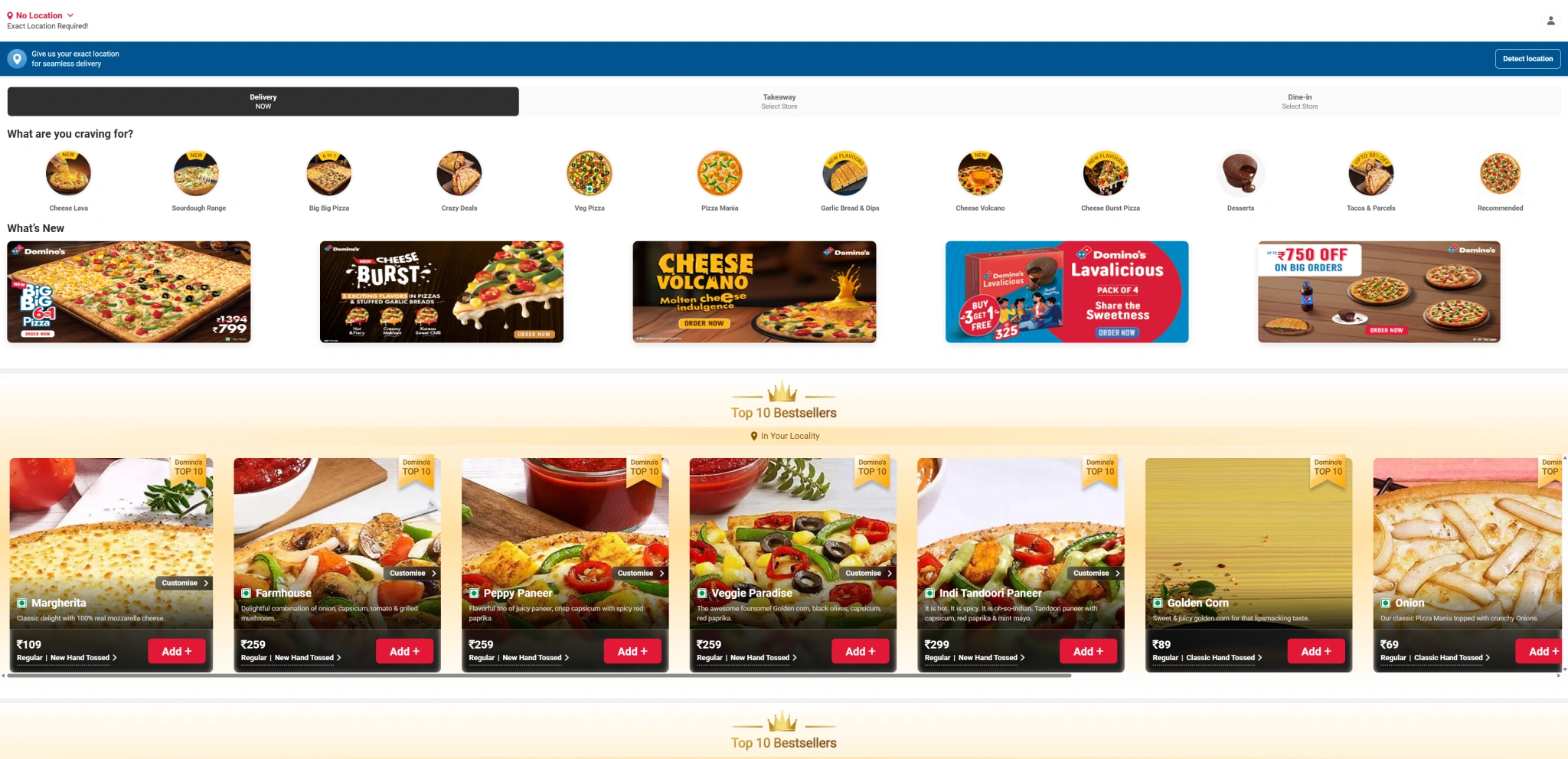
A decade ago, Domino’s wasn’t the first place people ordered from.
Slow delivery. Frustrated customers. Tough competition.
They knew something had to change and not just the menu.
Instead of thinking like a pizza chain, Domino’s chose to think like a technology-first company that happens to deliver pizza.
They focused on what customers actually wanted:
So they built:
Today, 70%+ of Domino’s orders happen digitally and their transformation helped them leap ahead in market value, even beating many tech-native brands.
Digital transformation isn’t about adding apps, it’s about removing friction.
Make the experience so simple that customers choose you again without thinking.
Starbucks figured something out early:
People don’t just buy coffee.
They buy their coffee, the one made exactly how they like it.
But their loyalty program wasn’t doing much to keep customers returning.
It felt generic. Same for everyone.
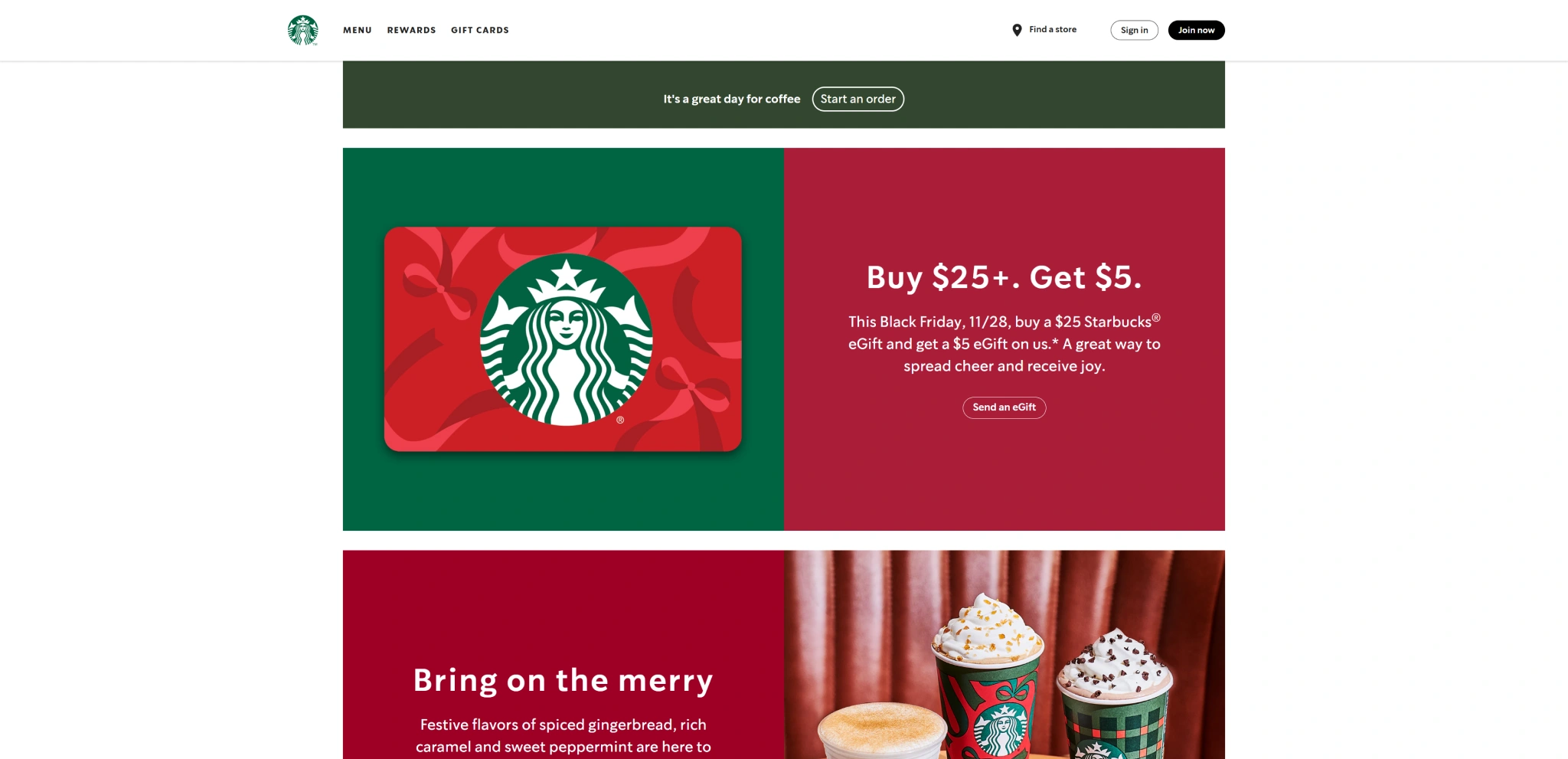
Starbucks turned their app into a personalized experience machine.
They started using customer data, like past orders, favorite drinks, time of day, to make the app feel like it knows you.
So instead of:
“Here’s a promo.”
It became:
“Hey, it’s 9 AM. Want your usual iced latte with an extra shot?”
They also:
The app became one of their biggest growth engines.
More repeat visits. Higher average spend.
And millions of customers who refuse to switch because their drink lives in that app.
Digital transformation that feels personal builds loyalty faster than any discount ever could.
Walmart doesn’t win because they have the most stores.
They win because they deliver what people want exactly when they want it.
But a few years ago, even Walmart struggled with:
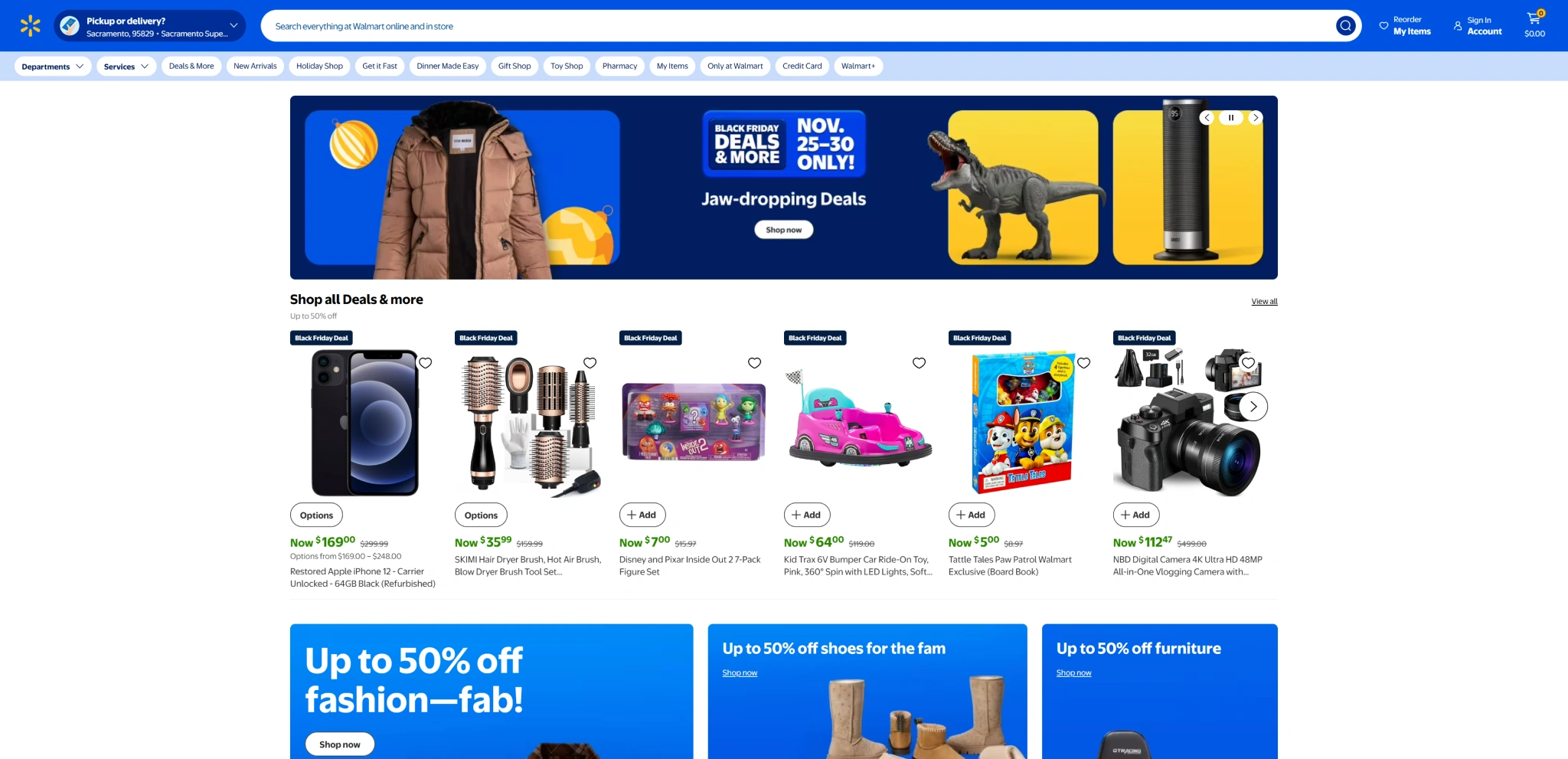
Walmart built one of the smartest supply chains in the world using:
Now, instead of waiting for issues to happen,
systems spot them before people can.
Billions saved. Billions earned.
All by letting data make the hard decisions.
Digital transformation delivers the biggest wins behind the scenes, where efficiency becomes profit.
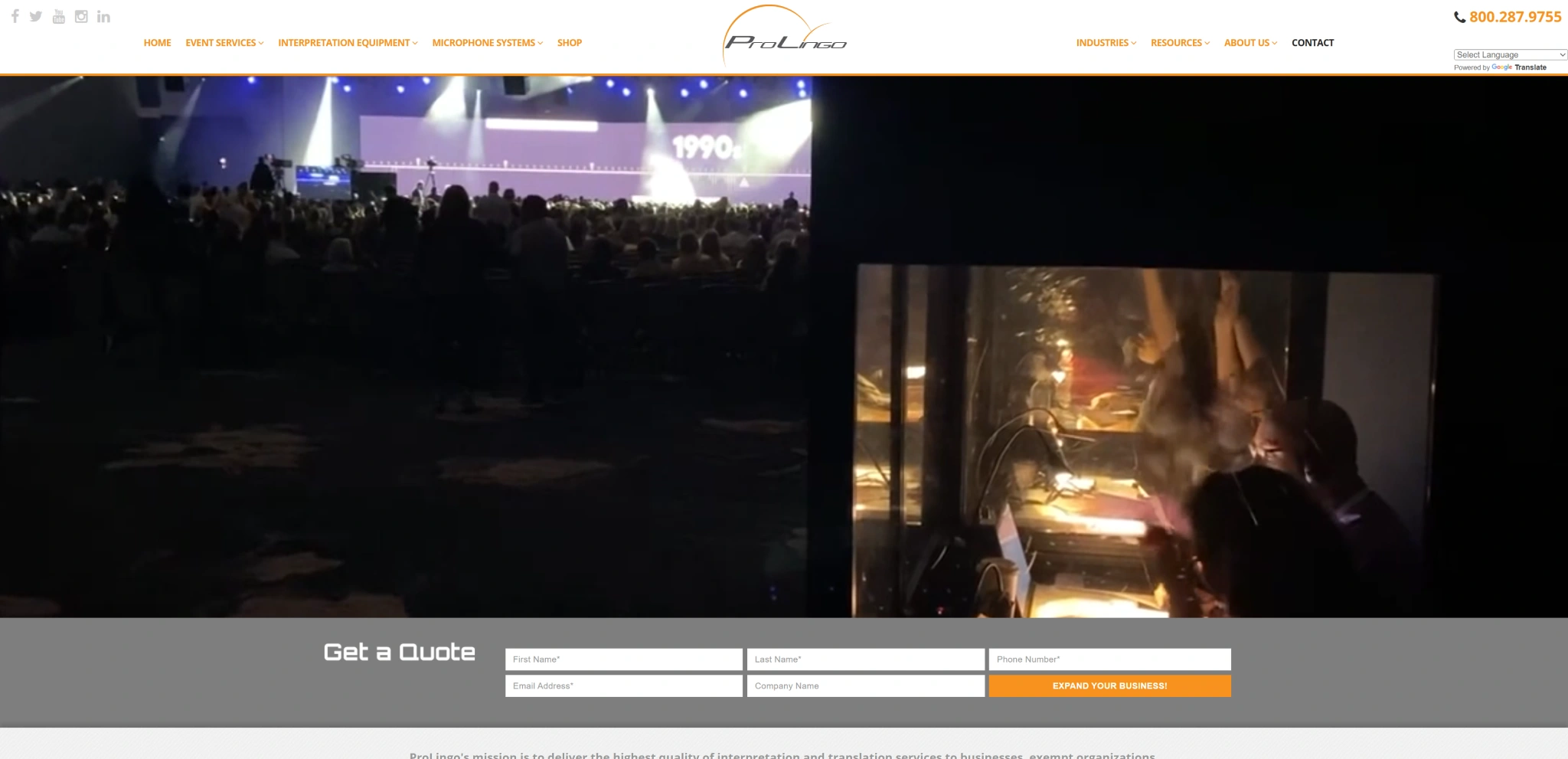
Live interpretation used to come with a lot of friction.
Special equipment. Complicated setup.
And if an event needed multiple languages, things slowed down even more.
ProLingo wanted interpretation to feel instant and accessible to everyone.
So we helped them build a cloud-based, AI-enhanced interpretation platform where:
Organizations now reach global audiences without barriers.
Interpreters join remotely on demand.
Events run smoother, faster, and far more affordably than before.
Digital transformation works best when AI supports humans, not replaces them and accessibility leaps forward because of it.
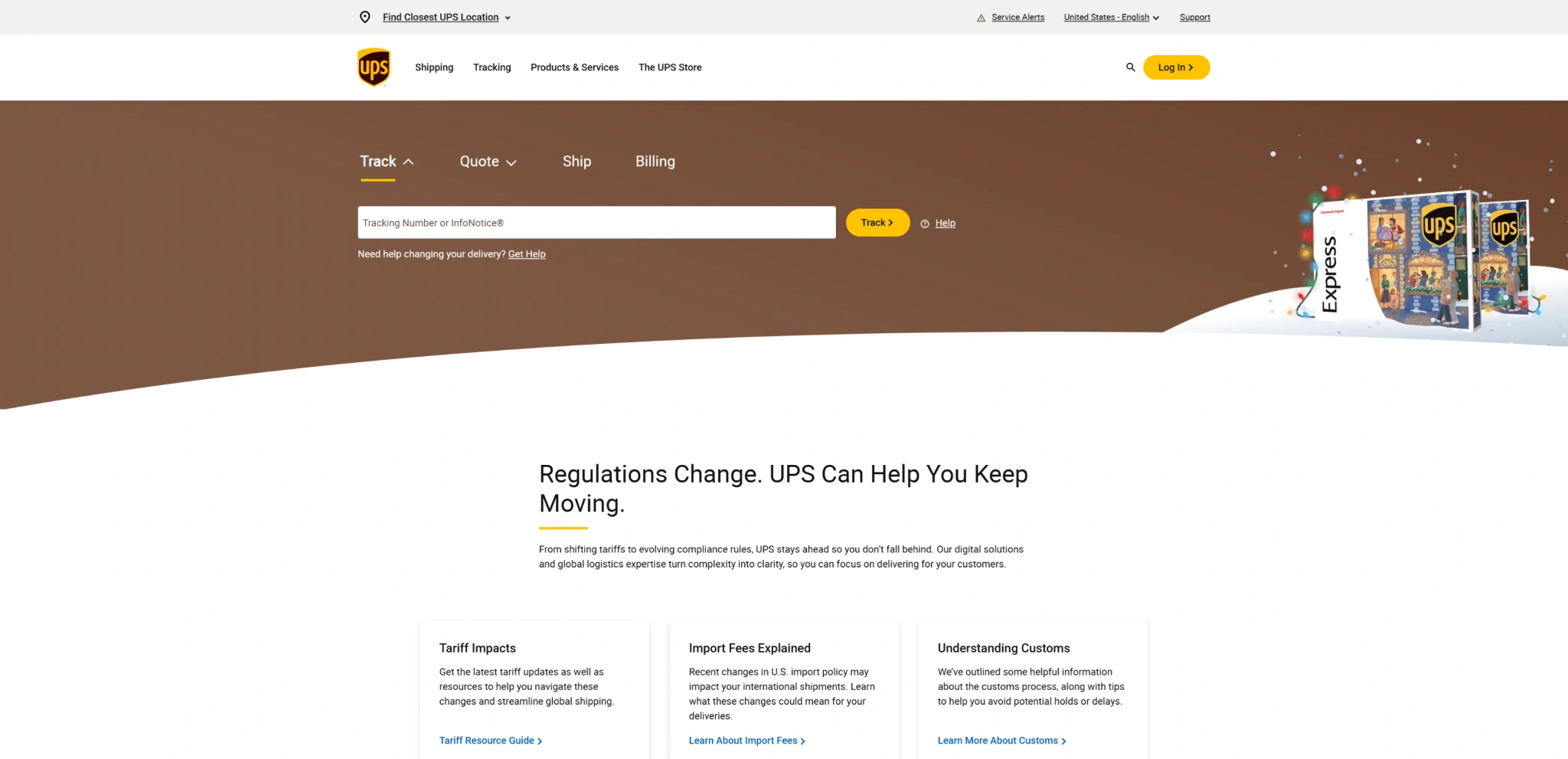
If you deliver millions of packages a day, every wasted mile matters.
UPS used to rely heavily on driver experience and manual planning, which meant:
And with fuel costs rising, those inefficiencies added up fast.
UPS introduced ORION, an intelligent routing system powered by data and AI.
It looks at traffic, distance, turns, and delivery windows, then builds the smartest route possible.
Even things like avoiding left turns became a game-changing efficiency move.
Customers get packages faster.
UPS gets leaner.
The planet gets a break.
Digital transformation works best when it solves the problems you feel every day with cost, speed, consistency.
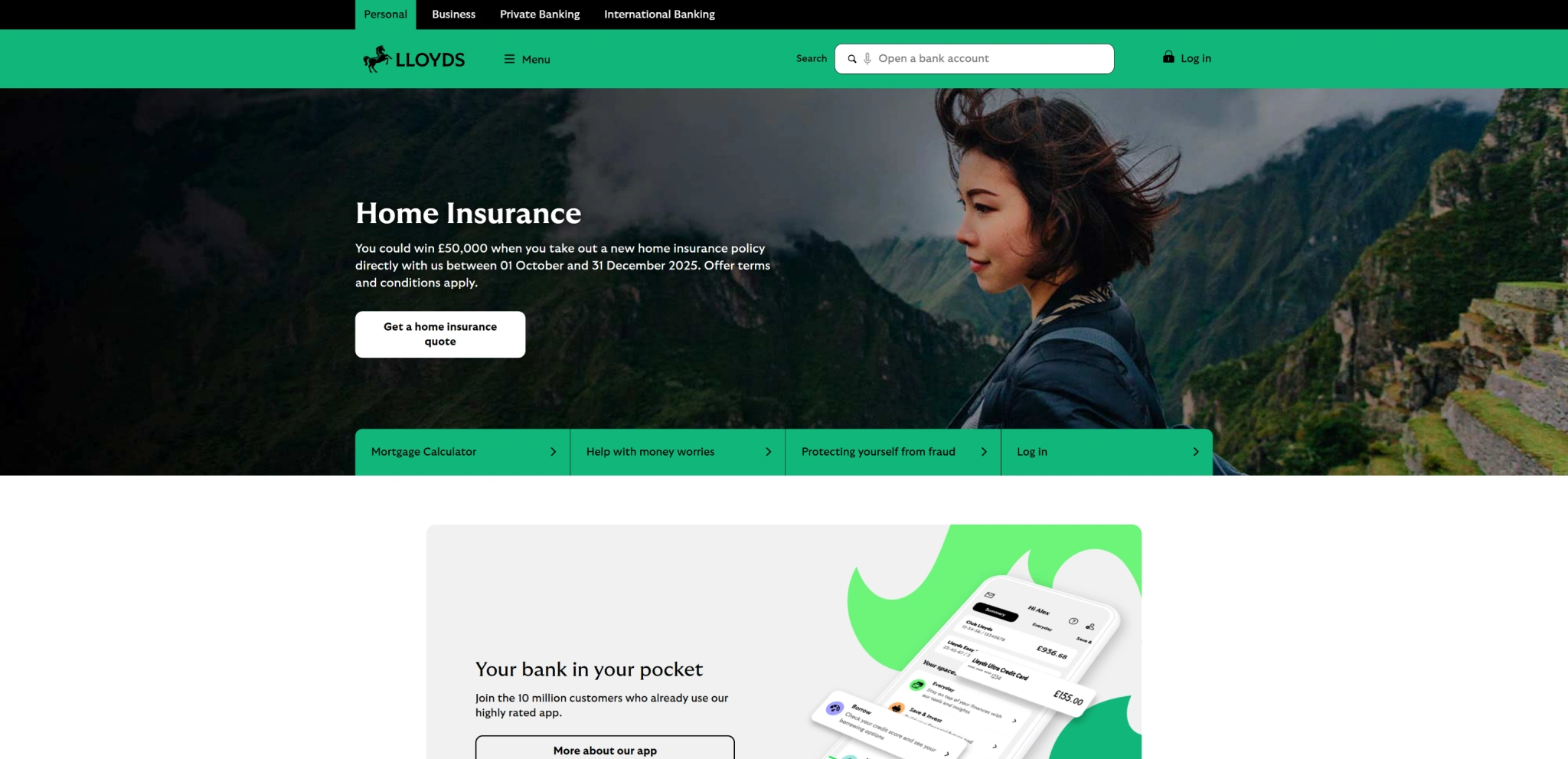
Banking customers expect everything to be fast today from opening accounts, transferring funds, to getting help.
But for years, the process at traditional banks was slow, repetitive, and heavy on paperwork.
That meant frustrated customers and overwhelmed staff.
Lloyds Bank committed to a large-scale digital transformation focused on trust and simplicity.
They:
Customers could manage everything from their phones without feeling lost or unsafe.
Trust became digital and customers responded.
Digital Transformation sticks when customers feel safer and more empowered than before.
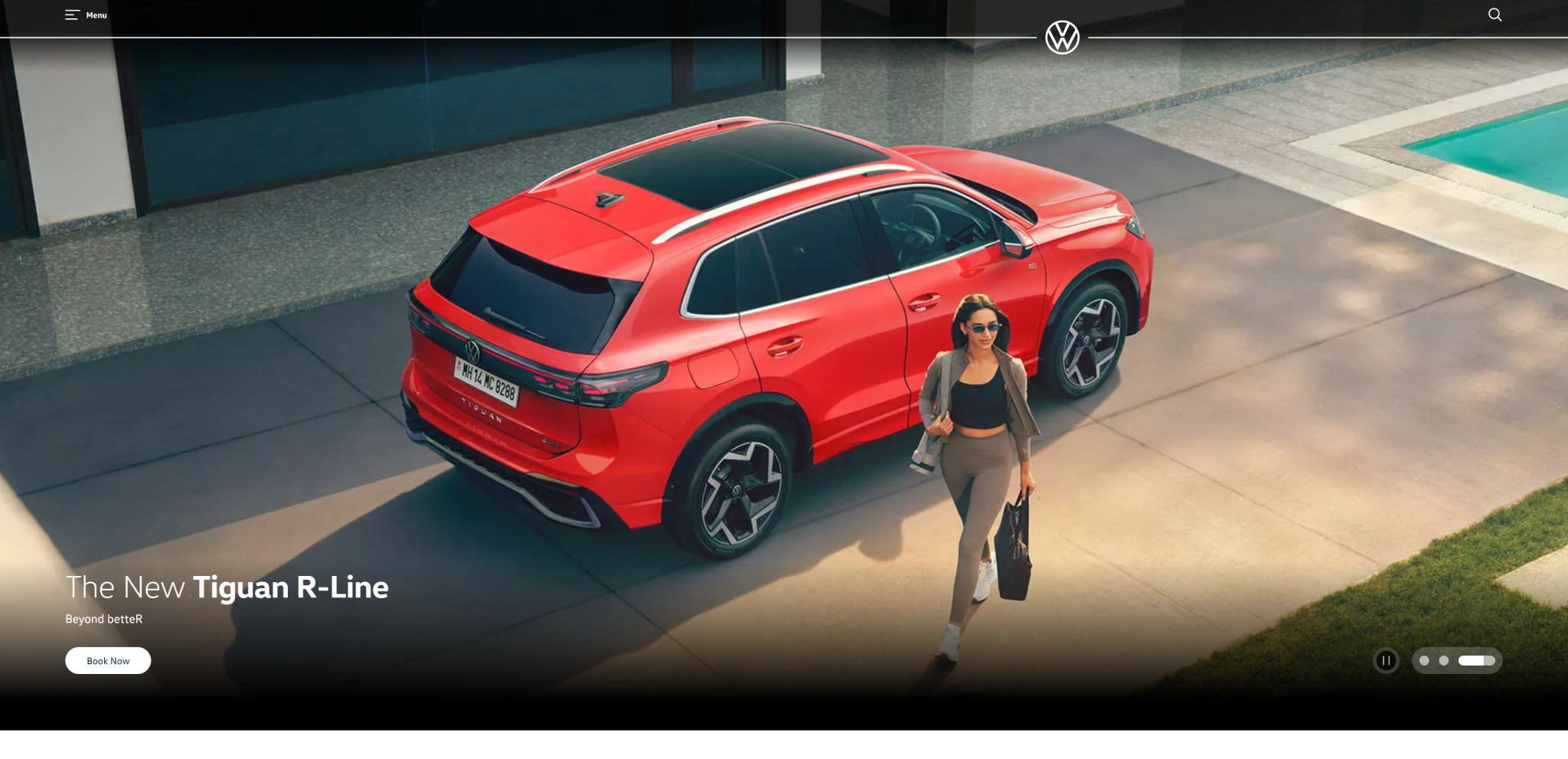
Car factories are intense environments.
Hundreds of machines. Thousands of moving parts.
And every time one of them stops, the entire line including production delays, massive costs, unhappy dealerships waiting on cars suffers.
For years, maintenance teams could only react after something went wrong.
By then, the damage was already done.
Volkswagen moved toward Industry 4.0, factories powered by automation, real-time data, and connected systems.
They introduced:
Instead of breakdowns, they get alerts.
Instead of downtime, they get continuity.
Volkswagen didn’t just upgrade machines. They upgraded the entire rhythm of their factories.
The smartest digital transformation is proactive, fixing problems before they become problems.
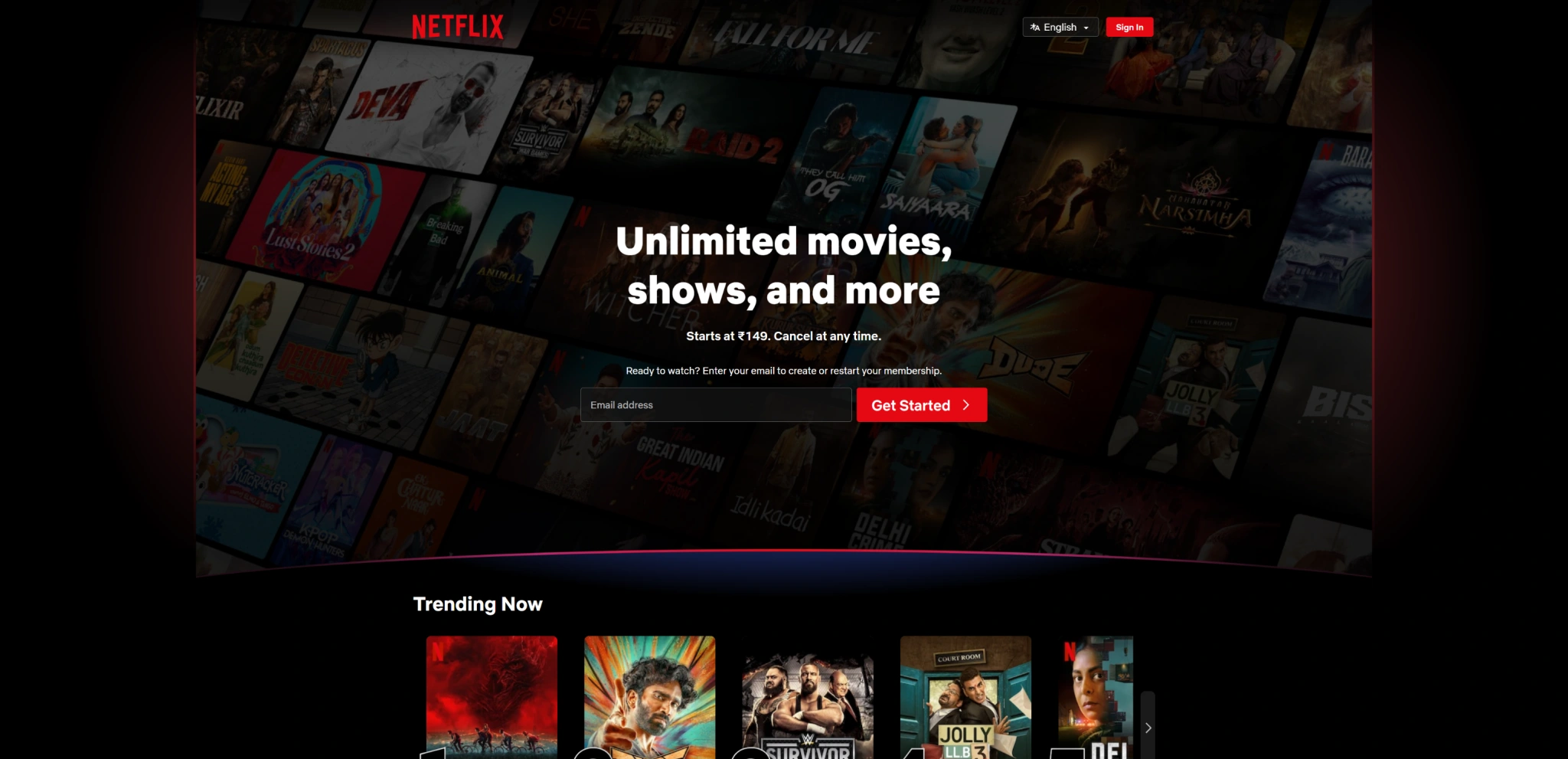
Remember when we all watched whatever was on TV because… there was no choice?
Netflix looked at that world and said:
“What if entertainment actually listened to people?”
But streaming alone wasn’t enough, everyone copied that part.
What changed the game was how Netflix used data.
Netflix started learning from every click:
Even which thumbnails make you press play
Then they turned that knowledge into:
So instead of:
“We hope you like this.”
It became:
“We know you’ll love this.”
When you’re shaping culture, you’re doing transformation right.
Digital transformation wins when you know your customer better than they know themselves and you deliver exactly what they want, right when they want it.
Every one of these companies approached digital transformation with the same mindset:
technology wasn’t the hero, better ways of working were.
They improved the process first, then brought in technology to support it.
They didn’t automate chaos, they removed it.
They focused on real outcomes, instead of shiny features.
The goals were faster orders, fewer errors, stronger loyalty.
They built digital foundations that could grow with them.
Clean data, cloud flexibility, and systems ready for scale from day one.
They made the experience easier for the people who actually use it.
Employees could adopt it quickly. Customers could feel the difference immediately.
Transformation wasn’t a buzzword for them.
It was a decision to run the business in a smarter, more modern way.
Every one of these digital transformation success stories started with a simple decision:
fix the part of the business that needs the most improvement.
Not everything. Not at once.
If you're planning the next step in your digital journey, here’s a practical way to move forward:
Whether you work with an internal team or a digital transformation company, the smartest move you can make is the first one that shows real results.
The world’s most effective transformations didn’t begin with huge projects or big budgets.
They began with one clear improvement that made work easier and customers happier.
That’s what turns ideas into digital transformation success stories.
If the examples above showed anything, it’s that transformation is not reserved for global giants.
Every organization can build digital transformation examples of its own, with the right guidance, the right focus, and the right partner.
And that’s where we come in.

Listen to this podcast for digital transformation wins like Domino's GPS tracking, Starbucks' data personalization, Walmart's AI forecasting & IoT, UPS ORION routing, ProLingo AI interpretation, VW predictive factories, and Netflix recommendations
Every success you just read began with a single question:
“What if we tried this?”
If you’re asking that now, we’d love to explore how your business could become the next digital transformation success story worth talking about.

Are You Prepared for Digital Transformation?
AI Development
From GPT-5.3 to Claude Opus 4.6, February 2026 delivered real-world AI breakthroughs. Catch up on the latest AI news and shifts redefining tech.
AI Development
Latest tech and AI updates from January 2026. See how CES 2026, enterprise adoption, and accountability are shaping real-world AI use.

AI Development
VT Netzwelt shares key insights from NASSCOM Agentic AI Confluence 2025 on responsible AI, autonomy, and the evolution from experimentation to execution.