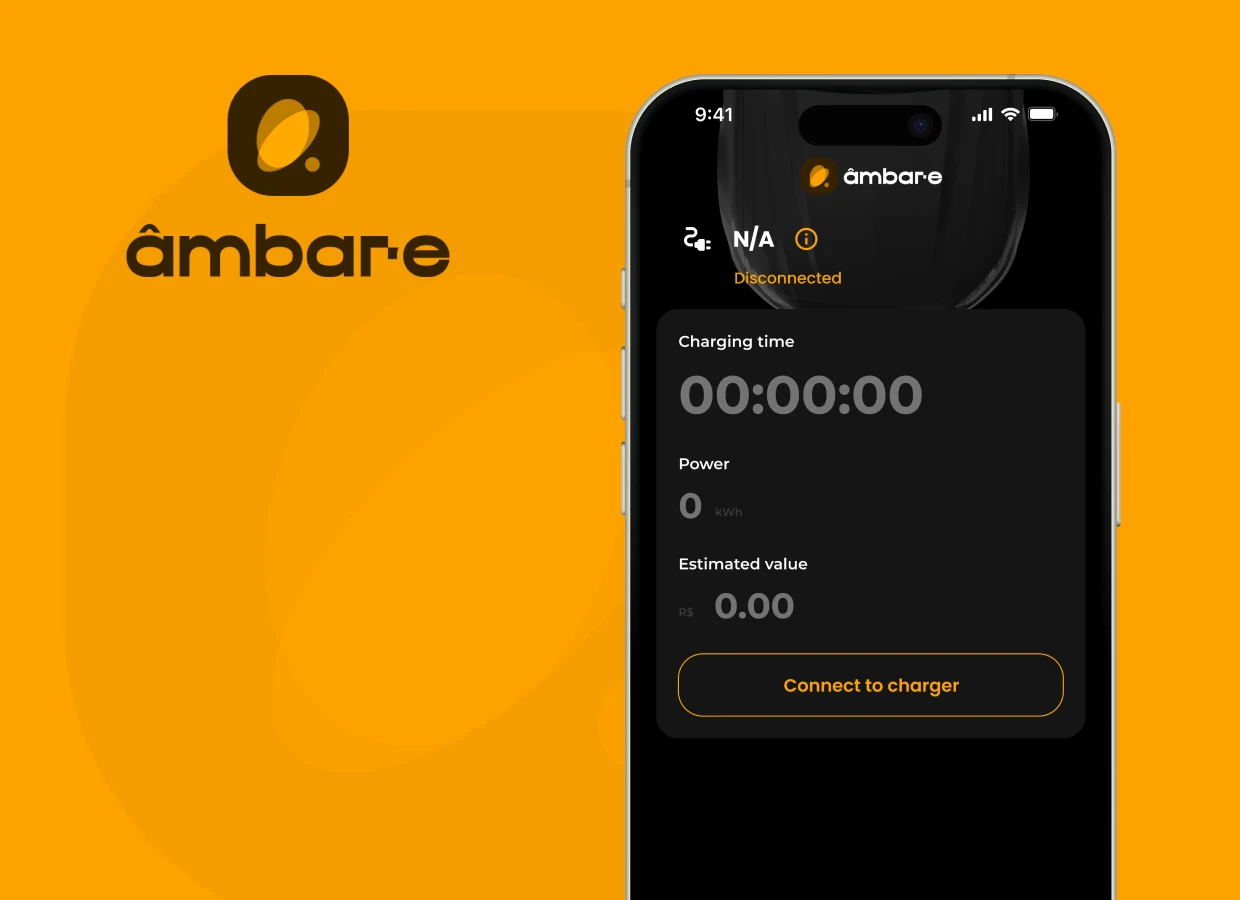
A driver app for electric vehicle charging across home, public, and semi public stations in Brazil.
Brazil's EV market is growing fast but the infrastructure to support it hasn't caught up. Ambare-e had the hardware. What they needed was some software to bring it all together. Drivers couldn't see their charging status, couldn't control sessions remotely and had no good way to know where there are available chargers around. On top of that, the current setup was based on custom firmware with no standardization of the communication protocol, which made a stable connection between the app and chargers a constant problem.
We worked closely with Ambare-e’s firmware team from the start. The object, though, was something more than to build an app. It was to design the right system architecture, which would support communication of the real-time devices and multiple charger environments with the possibility of future growth.
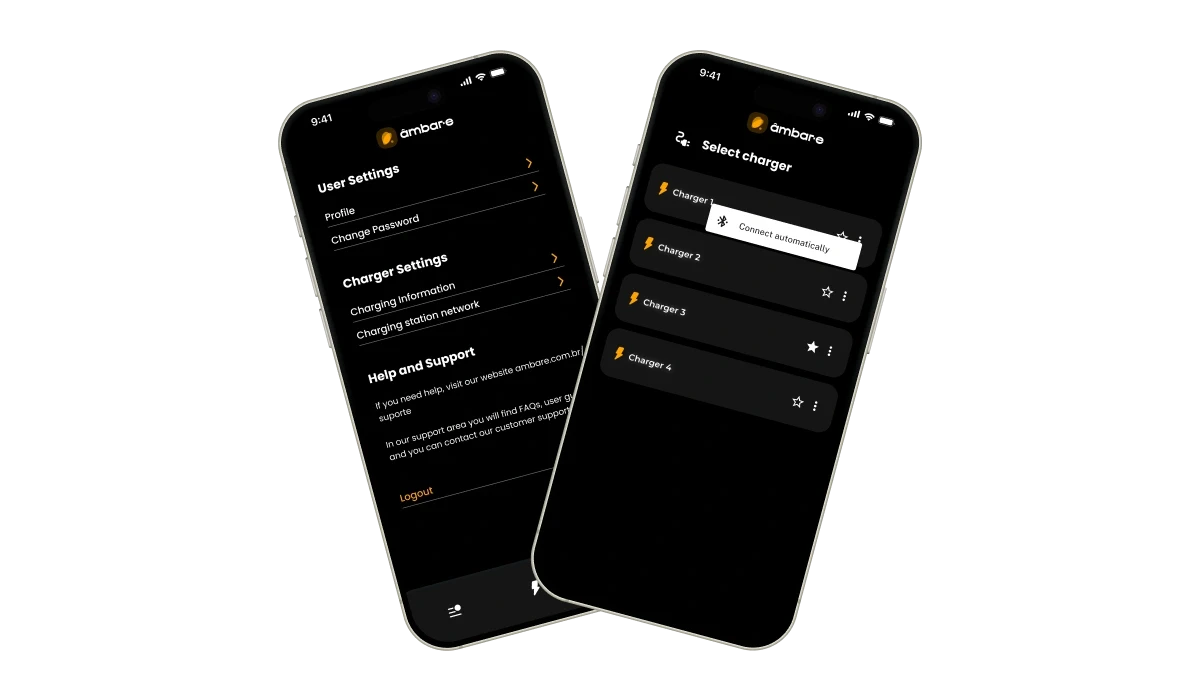
Drivers can connect to chargers with Bluetooth (Bluetooth low energy) (ideally for linking in close range) and by Wi-Fi for remote access. This provided the app with flexibility in private, semi-public and public environments without sacrificing reliability. QR Code Access for Public Chargers In public places such as malls and resorts, drivers just scan a QR code placed on the charging console to begin a session, there is no account navigation.
Real-Time Session Monitoring via AWS IoT Core Using MQTT protocol through AWS IoT Core, we established live communication between the app and charging hardware. Drivers can view power consumption, session duration, and charge progress as it happens, full visibility, in real time.
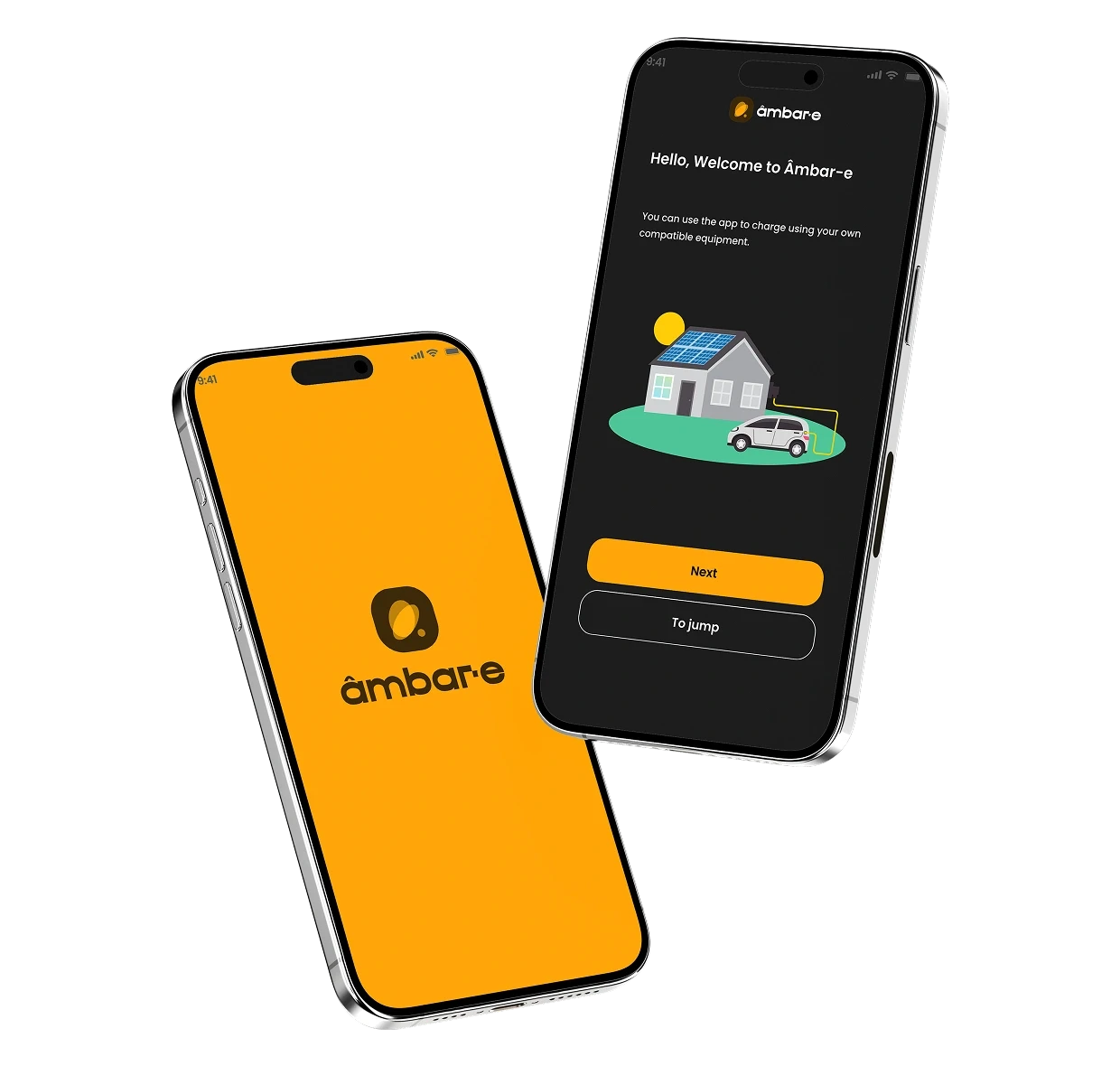
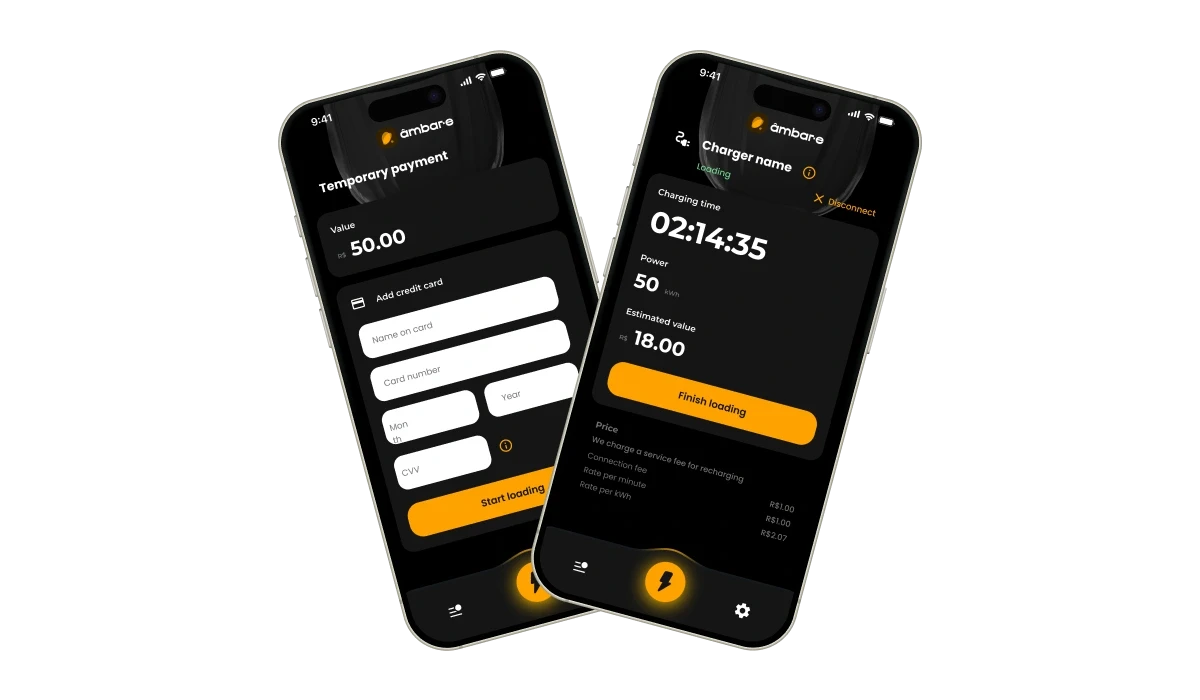
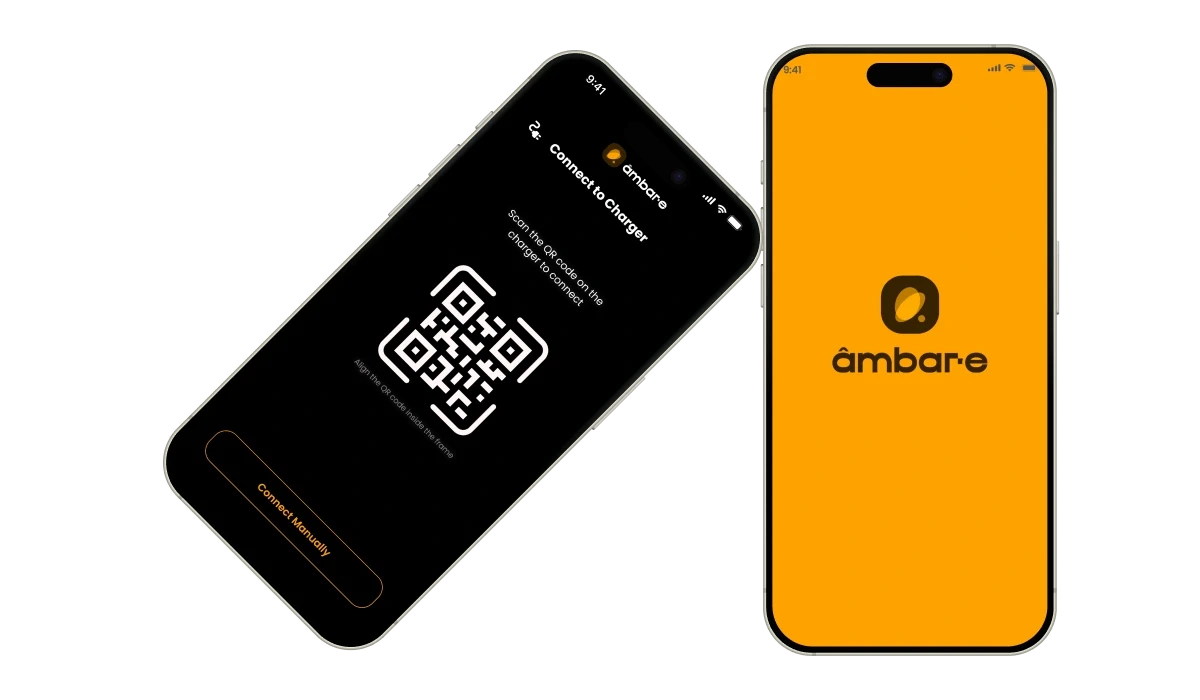
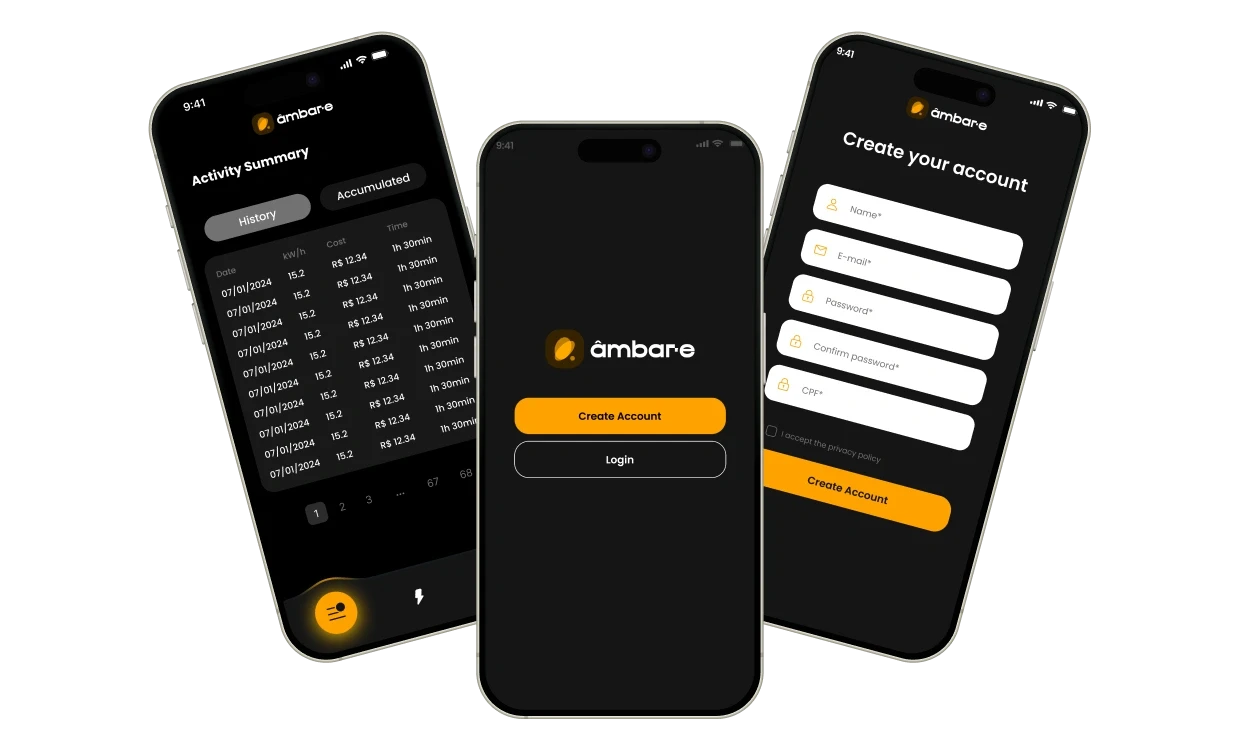
The biggest technical challenge was building stable communication between the app and custom hardware with no standardized protocol.
Private, semi-public, and public chargers each operate differently, different access rules, pricing models, and user roles. We designed flexible logic that handles all three cleanly within a single app.
The AWS-based backend such as IoT Core, Lambda, DynamoDB, and Cognito, was chosen specifically to support real-time device monitoring at scale.
Requirements evolved throughout the project. Instead of treating that as friction. We built in continuous realignment checkpoints with the Ambare-e team.
What Makes Us The Buzz of Tech Town?
They have very well-structured teams and processes.
VT Netzwelt has successfully launched a new website for the client, much to their delight. The team is highly organized and receptive to feedback, and internal stakeholders are particularly impressed with the service provider's vast technical knowledge.
Aga Strzelecka
Ecommerce Project Manager, EZ Living Furniture

Right from the start, I felt safe working with VT Netzwelt.
VT Netzwelt delivered a site redesign that launched the platform to the top three search results for competitive keywords. Through consistent SEO efforts, they’ve kept it highly ranked and boosting revenue for almost six years. Highly versatile, the team can deftly change course to pursue new goals.
Anonymous
CEO, CollegeScholarships.com
have worked with Netzwelt team for the past two years on three large-scale apps
they consistently delivered fantastic results. They are extremely responsive to all inquiries and work tirelessly to deliver a fantastic project. Because of their efforts, my app is ranked in the top 10 on 7 different search terms on iTunes. As always, thanks!
Matthew Ohm
CEO
…we share a high level of trust. If they tell me something should be done a certain way, I follow their advice.
VT Netzwelt provides accurate quotes and time estimates, allowing internal teams to better plan for new features. The team is reliable and has cultivated a strong, trusting relationship throughout the engagement. Transparency and regular communication are hallmarks of their work.
Florian Metz
Managing Director, MeineSpielzeugkiste
"I rest easy knowing that I have VT Netzwelt backing me up."
In addition to strengthening the overall quality of the mobile apps, VT Netzwelt has grown to assume the responsibility of maintaining and updating the products. With a wealth of valuable development experience, they have proven to be a reliable vendor that strives to provide standout service.
Anonymous
Owner, Meal Planning Service
Contact Us
Have Questions? Let's Talk!
Fill out this form to drop us an email, and we will reach out to shape something extraordinary.